Engineering Overview
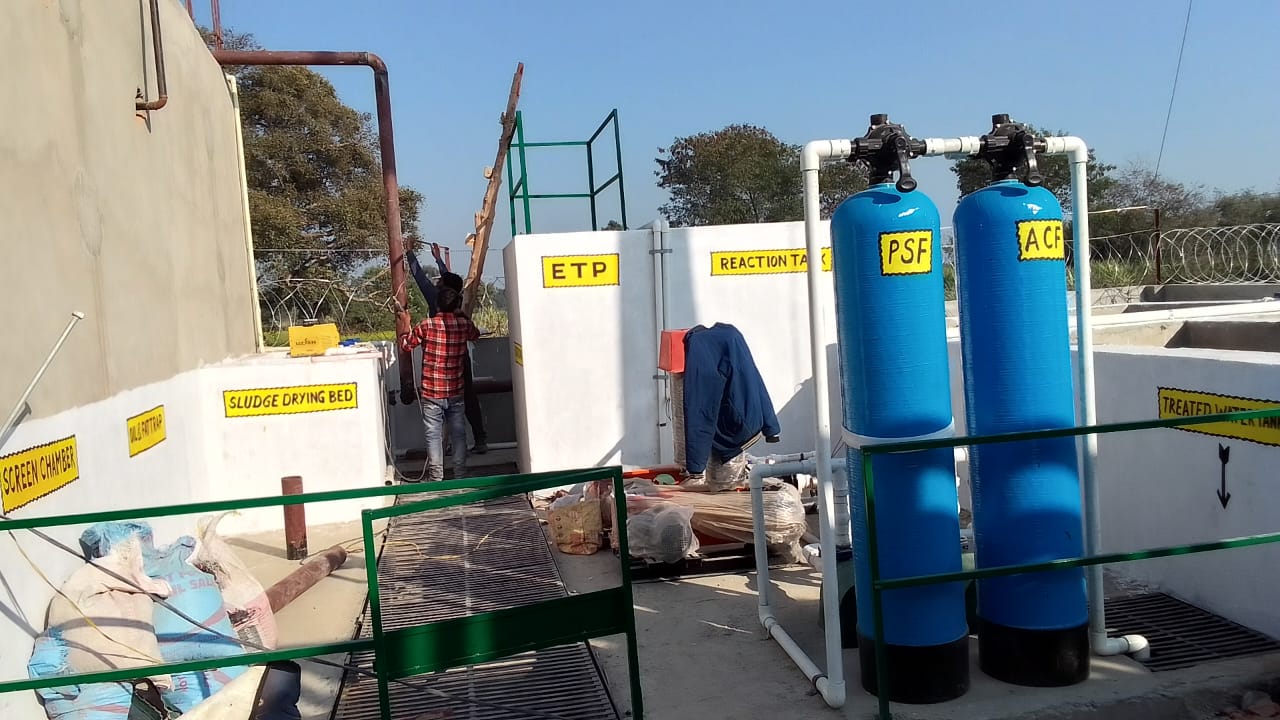
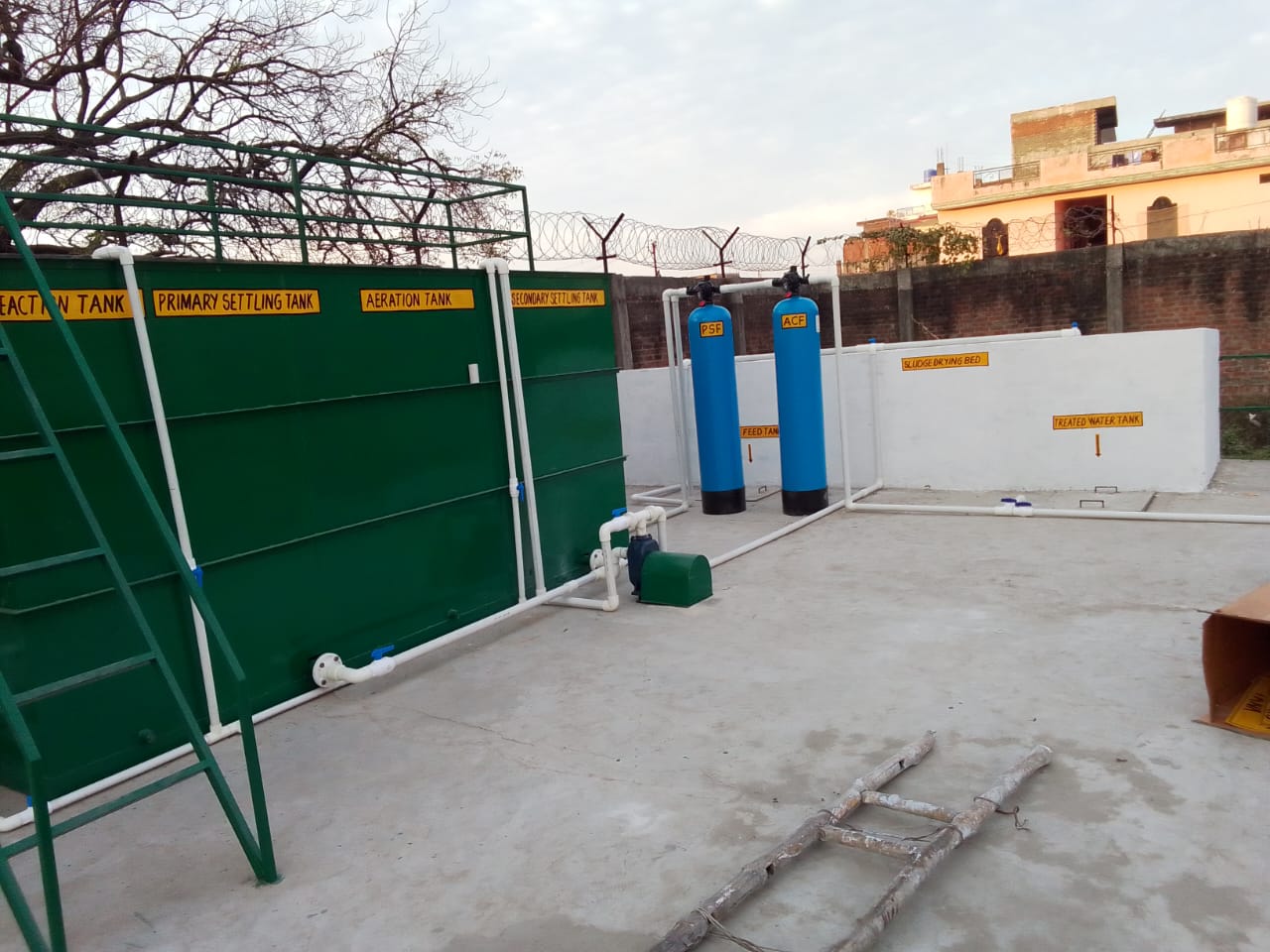
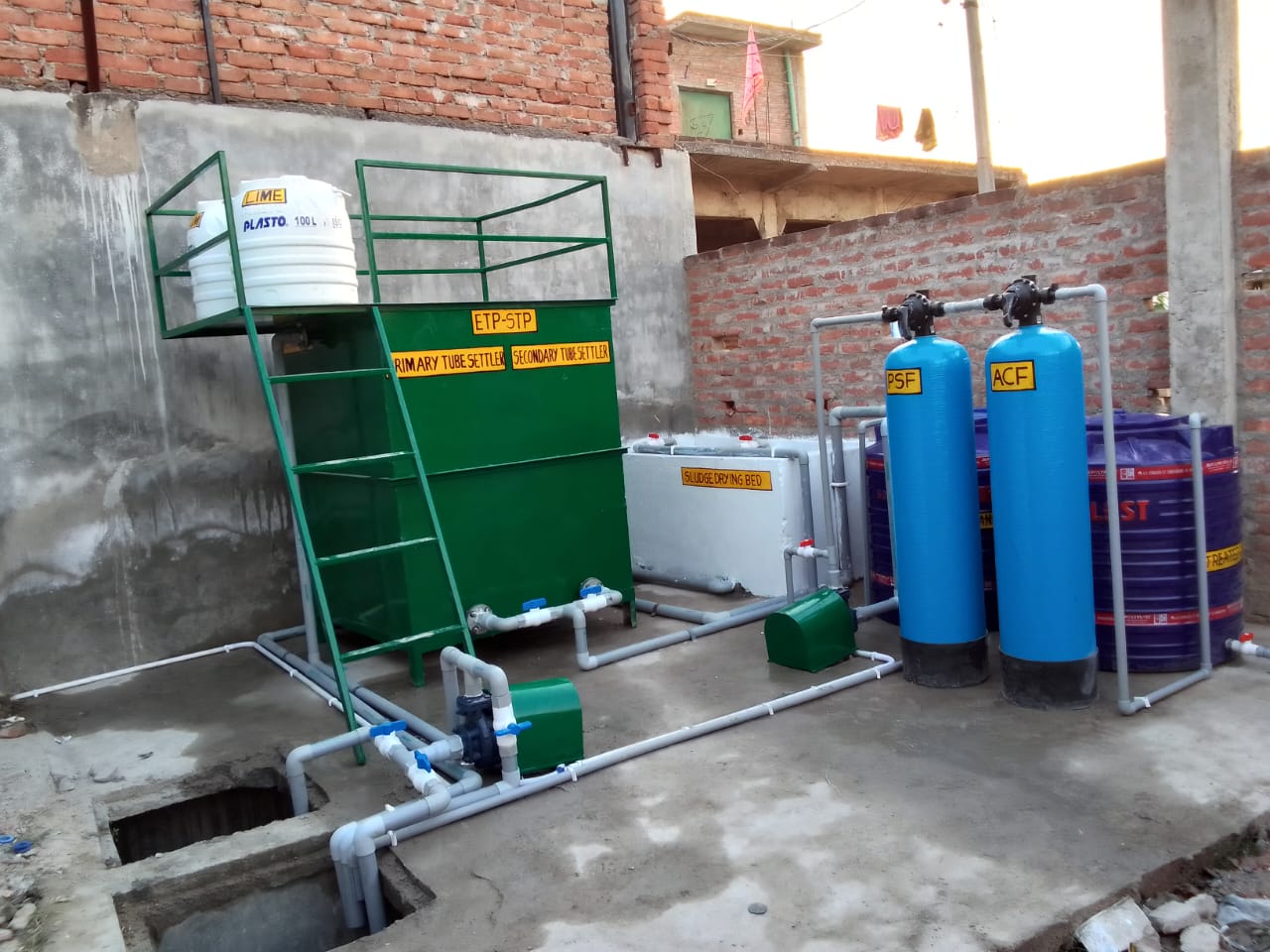
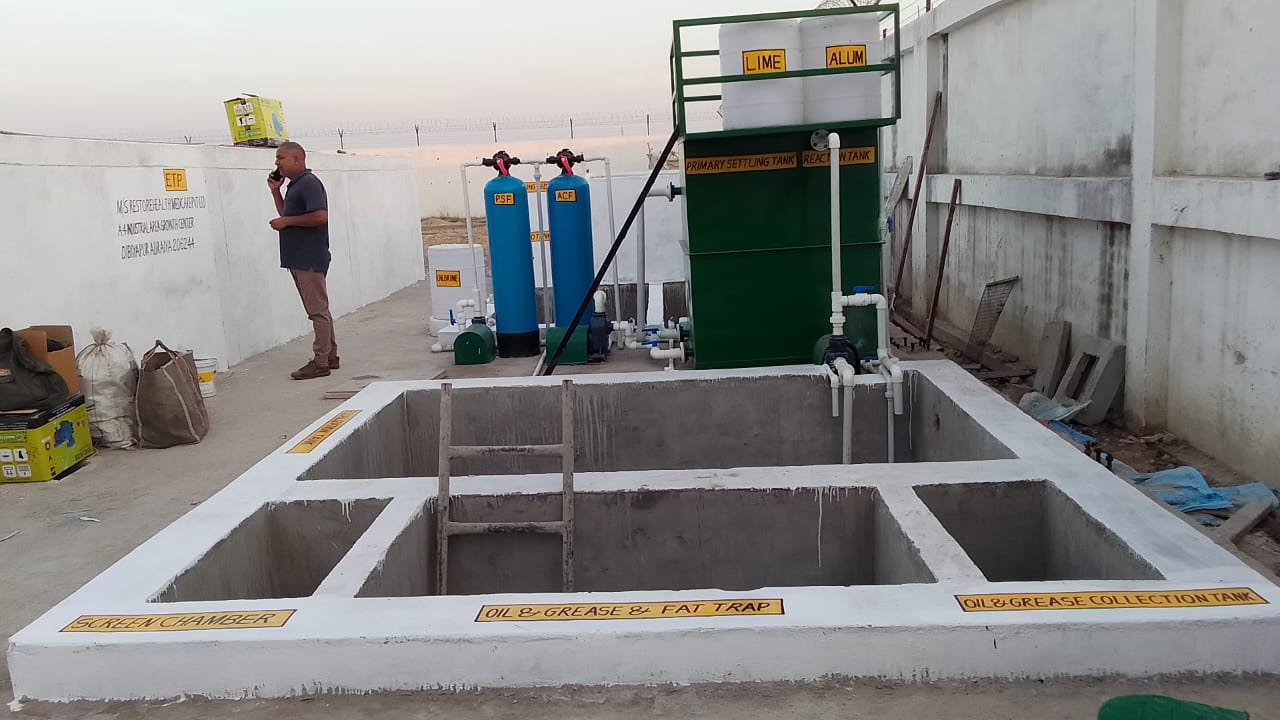
When an industry uses water for manufacturing, washing, cooling, processing, etc., the water becomes contaminated. This contaminated water is called effluent. An Effluent Treatment Plant (ETP) removes the pollutants so the water can be safely discharged or reused. The basic idea Dirty industrial water → Treatment → Cleaned water + sludge The treatment happens in different stages because different pollutants need different methods of removal. 1. Collection of effluent Wastewater from different sections of the factory is collected and brought to the ETP. For example, wastewater may contain: Dirt and suspended particles Oil and grease Chemicals Organic matter Colour Heavy metals High or low pH The wastewater first enters the collection/equalization tank. 2. Screening The first step is like using a strainer. Large objects such as: Plastic Cloth Paper Fibres Wood Other solid materials are removed. Purpose: Protect pumps and other equipment from blockage or damage. 3. Equalization tank Wastewater coming from a factory is not always the same. Its quantity and pollution level can change throughout the day. The equalization tank stores and mixes the wastewater so that the treatment plant receives a more uniform flow. Think of it as mixing everything together before treatment. 4. pH adjustment The wastewater may be too acidic or too alkaline. The pH is measured and adjusted by adding suitable chemicals. For example: Acidic wastewater → alkaline chemical added → pH increases Alkaline wastewater → acidic chemical added → pH decreases The goal is to bring the wastewater into a suitable range for the next treatment stages. 5. Coagulation and flocculation This is an important chemical treatment stage. Very small particles may be suspended in the water and won't settle easily. A coagulant is added to destabilize these particles. Then, during flocculation, gentle mixing causes the particles to join together and form larger particles called flocs. So: Tiny particles → chemical treatment → larger flocs 6. Primary clarifier The wastewater enters a settling tank called a clarifier. Because the flocs are heavier than water, they settle at the bottom. The settled material is called sludge. The relatively clear water moves to the next stage. So: Bottom → sludge Top → partially treated water 7. Biological treatment This is where microorganisms do much of the cleaning. Wastewater can contain biodegradable organic matter. Microorganisms consume and break down this organic material. Common biological systems include: Activated sludge process MBBR SBR Trickling filters In an aeration tank, air or oxygen is often supplied to help microorganisms grow and work effectively. A simplified reaction is: Organic pollutants + microorganisms + oxygen → CO₂ + water + new biomass 8. Secondary clarifier After biological treatment, the water contains microorganisms and biological solids. These solids are allowed to settle in another clarifier. The settled biological sludge is separated from the treated water. Some sludge may be returned to the biological tank to maintain the required microorganism population. 9. Tertiary treatment Sometimes the water needs additional cleaning before discharge or reuse. Depending on the industry, treatment may include: Sand filtration Activated carbon filtration Membrane treatment Removal of specific chemicals Disinfection This stage produces higher-quality treated water. 10. Sludge treatment Remember the sludge collected from the clarifiers? It cannot simply be ignored. The sludge may be: Thickened → Dewatered → Dried/processed → Properly disposed of or further utilized Equipment such as a filter press, centrifuge, or sludge drying bed may be used for dewatering
Interested in a similar setup?
Connect with our environmental specialists to design an energy-efficient, fully compliant installation tailored to your factory capacity.
Request Project Proposal