Engineering Overview
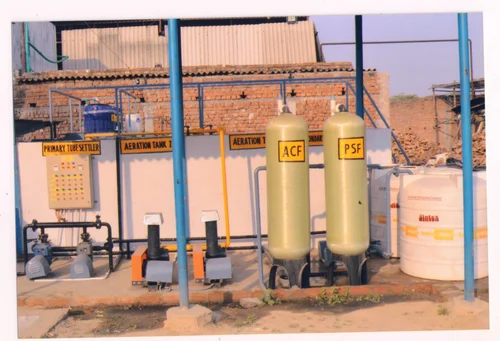
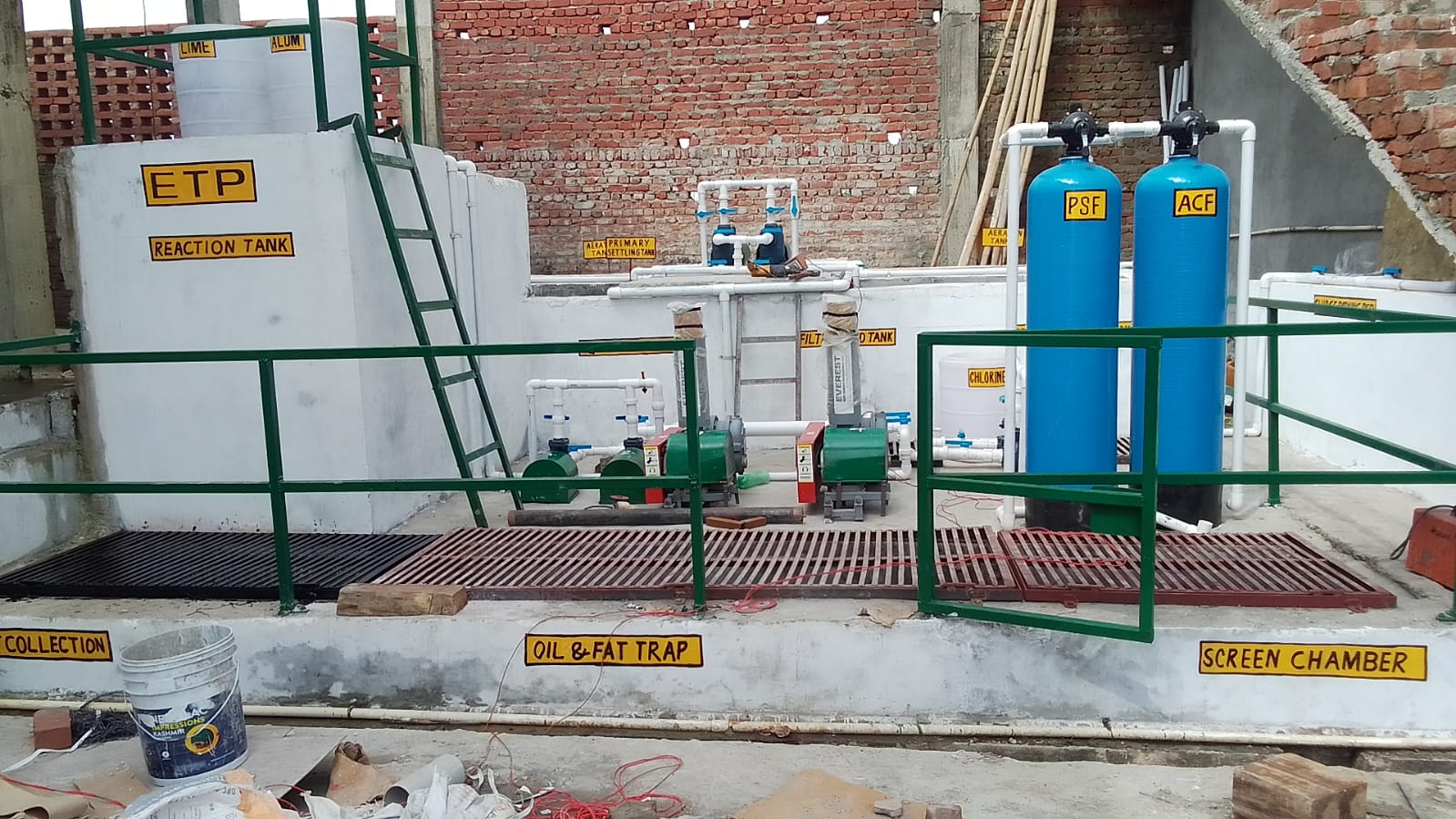
An Effluent Treatment Plant (ETP) is a system used mainly in industries to treat wastewater (effluent) generated during manufacturing processes before it is discharged into the environment or reused. Why is an ETP needed? Industrial wastewater can contain: Suspended solids Oil and grease Organic matter Chemicals Heavy metals Acids or alkalis Harmful microorganisms If this wastewater is released without proper treatment, it can pollute rivers, soil, and groundwater and harm living organisms. How does an ETP work? A typical ETP follows several stages: 1. Screening Large materials such as plastics, rags, fibers, and other debris are removed. 2. Equalization Wastewater is collected in an equalization tank to balance variations in flow, concentration, and pH. 3. pH Adjustment Acid or alkali is added to bring the wastewater to a suitable pH for subsequent treatment. 4. Coagulation & Flocculation Chemicals are added to make small suspended particles combine into larger flocs. 5. Primary Clarification The flocs settle at the bottom of a clarifier. The settled material becomes sludge, while clearer water moves forward. 6. Biological Treatment Microorganisms break down biodegradable organic pollutants. Common systems include activated sludge, MBBR, and SBR. 7. Secondary Clarification Biological solids are separated from the treated water by settling. 8. Tertiary Treatment Depending on the required water quality, additional processes such as filtration, activated carbon, membrane treatment, or disinfection may be used. 9. Sludge Treatment Sludge produced during treatment is thickened, dewatered, and then handled or disposed of according to applicable requirements.
Interested in a similar setup?
Connect with our environmental specialists to design an energy-efficient, fully compliant installation tailored to your factory capacity.
Request Project Proposal