Engineering Overview
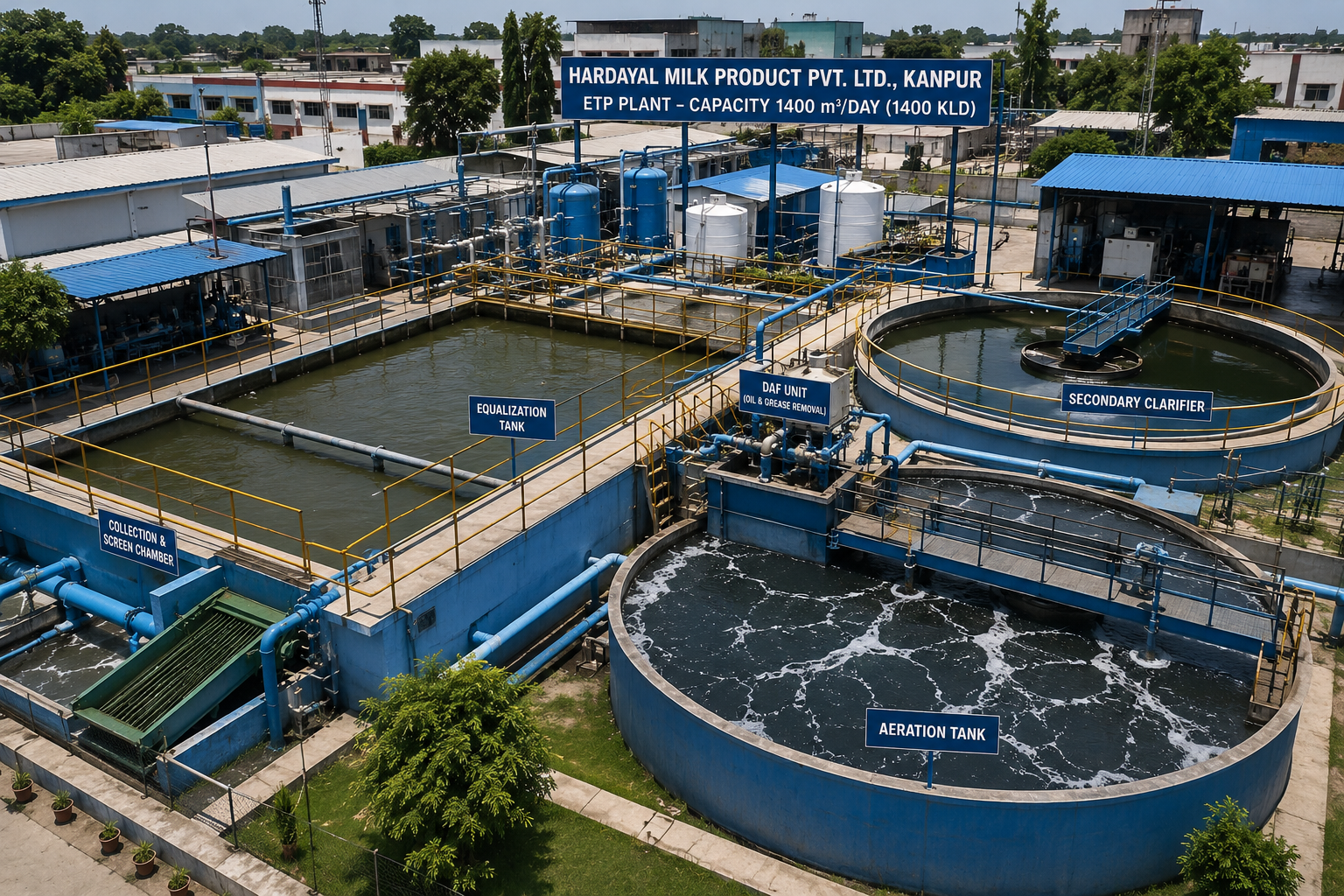
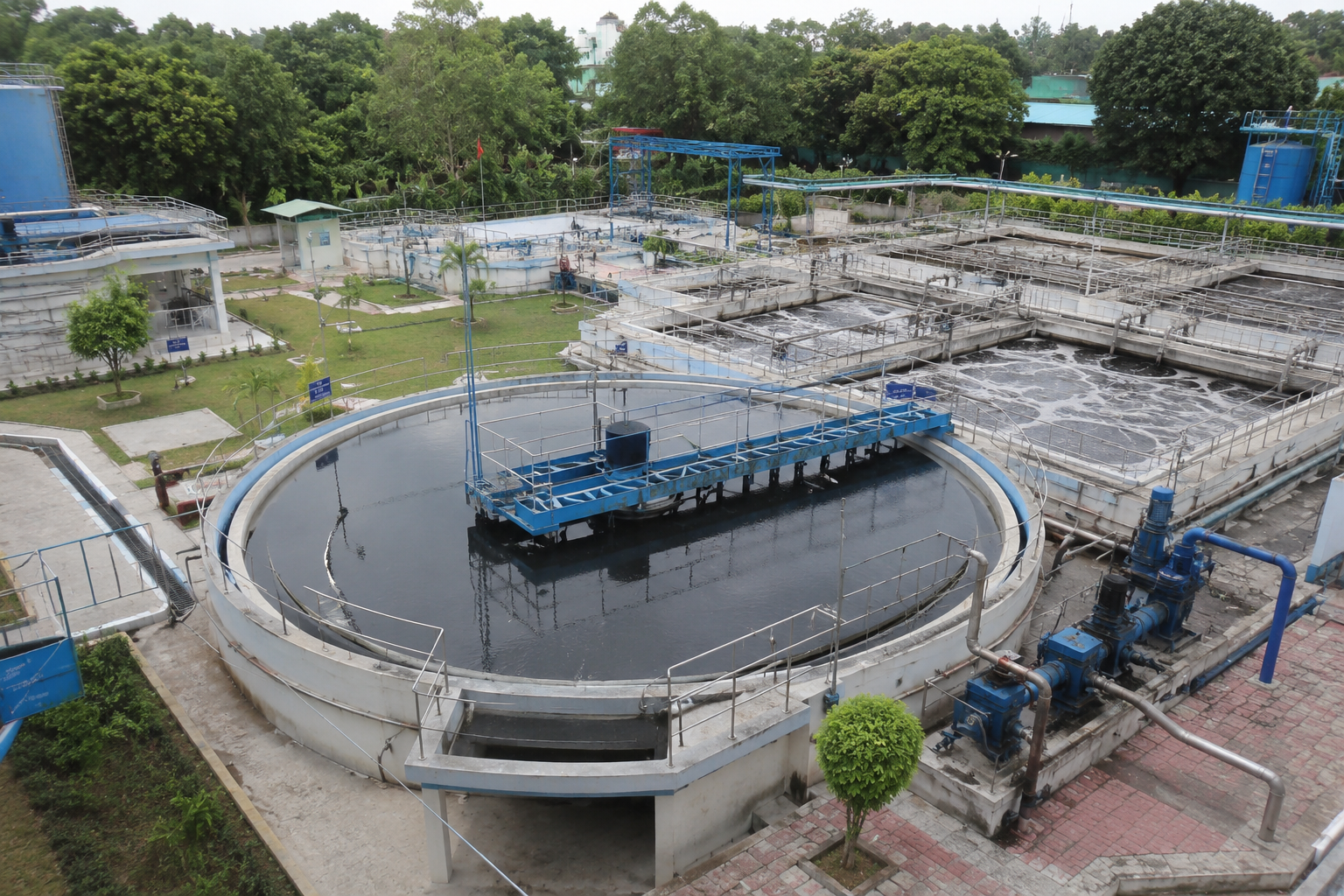
An ETP is a treatment system designed to collect, treat and improve industrial wastewater (effluent) so that it can be safely reused or discharged as per applicable environmental requirements. 1. Why is ETP required? Industrial wastewater may contain high levels of BOD, COD, TSS, oil & grease, colour, chemicals, nutrients, heavy metals or other industry-specific pollutants. An ETP reduces these pollutants through a combination of physical, chemical and biological treatment processes. 2. Typical ETP Treatment Flow Industrial Effluent ↓ Bar Screen / Screening ↓ Collection & Equalization Tank ↓ pH Correction / Neutralization ↓ Coagulation ↓ Flocculation ↓ Primary Clarifier ↓ Biological Treatment ↓ Secondary Clarifier ↓ Pressure Sand Filter ↓ Activated Carbon Filter ↓ Disinfection ↓ Treated Water Tank ↓ Reuse / Permitted Discharge The exact process depends heavily on the type of industry and wastewater characteristics. 3. Major Units of an ETP A. Bar Screen The first treatment unit. It removes large floating and suspended materials such as: Plastic Cloth Packaging material Fibres Large solid particles This protects downstream pumps and equipment. B. Collection Tank Industrial wastewater is collected in a tank before further treatment. The tank provides: Flow collection Initial mixing Pumping arrangement Buffer capacity C. Equalization Tank The equalization tank is one of the most important units. It helps equalize: Flow pH Pollutant concentration Temperature An air grid or mechanical mixer may be provided to prevent settling and anaerobic conditions. D. pH Correction / Neutralization Industrial effluent can be acidic or alkaline. Chemical dosing is used to bring the pH into the desired treatment range. Common chemicals may include: Caustic soda Lime Hydrochloric acid Sulphuric acid The actual chemical selection depends on the wastewater characteristics and design. E. Coagulation Coagulants are added to destabilize fine suspended and colloidal particles. Common coagulants include: PAC Alum Ferric salts F. Flocculation Gentle mixing allows small particles to combine and form larger flocs. These flocs can then be removed more effectively in clarification. G. Primary Clarifier The flocs and suspended solids settle at the bottom. The clarified liquid moves to the next treatment stage. The settled material becomes primary sludge. H. Biological Treatment This stage is used when biodegradable organic matter needs to be reduced. Common biological processes include: Activated Sludge Process MBBR SBR Extended Aeration Microorganisms consume biodegradable organic pollutants, reducing parameters such as BOD and biodegradable COD. I. Secondary Clarifier The biological mixed liquor is separated into: Clarified treated water Biological sludge Some sludge may be returned to the biological process, depending on the technology. J. Pressure Sand Filter The pressure sand filter removes remaining suspended particles and fine solids. It improves the clarity of treated water. K. Activated Carbon Filter An activated carbon filter can help reduce: Colour Odour Residual organic compounds Certain dissolved contaminants Its requirement depends on the effluent quality and reuse/discharge objective. L. Disinfection Disinfection may be provided using: Chlorination Sodium hypochlorite UV The purpose is to reduce microorganisms where required. M. Treated Water Tank Final treated effluent is stored here. Depending on the required quality, treated water may be used for: Gardening Flushing Cooling Process reuse Other permitted applications 4. Sludge Treatment ETP treatment generates sludge. Typical sludge handling is: Clarifier Sludge → Sludge Holding Tank → Sludge Dewatering → Filter Press / Centrifuge → Dewatered Sludge The dewatered sludge must then be handled and disposed of according to its composition and applicable regulations. 5. Important ETP Design Parameters Before designing an ETP, the following information is normally required: Parameter Importance Flow rate Determines ETP capacity pH Determines chemical treatment BOD Indicates biodegradable organic load COD Indicates total chemical oxygen demand TSS Determines solids removal requirement Oil & Grease Important for oily effluent Temperature Important for biological treatment TDS Important for reuse/discharge Heavy Metals Important for certain industries Colour Important for textile/chemical industries Specific chemicals Depends on industry
Interested in a similar setup?
Connect with our environmental specialists to design an energy-efficient, fully compliant installation tailored to your factory capacity.
Request Project Proposal