Engineering Overview
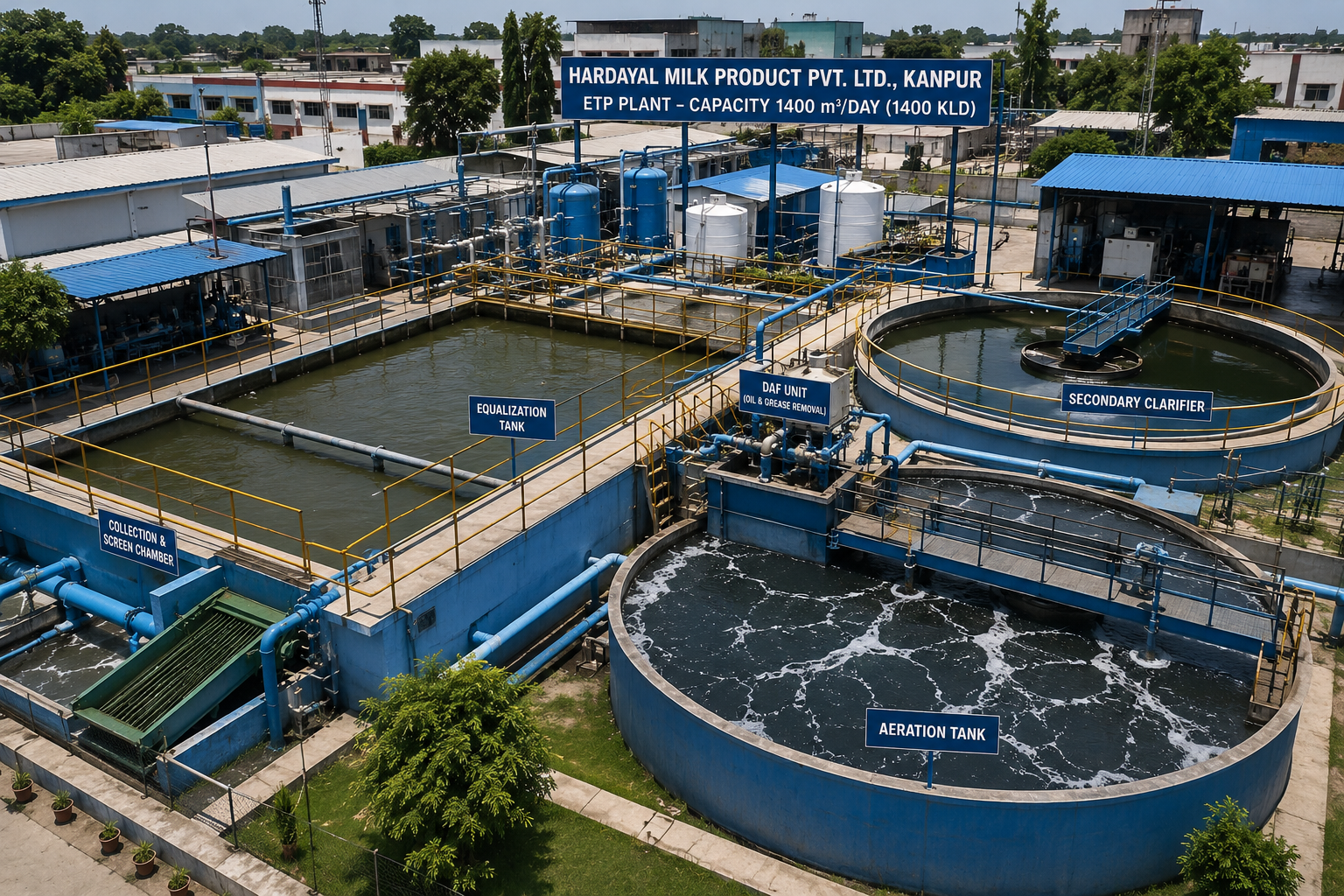
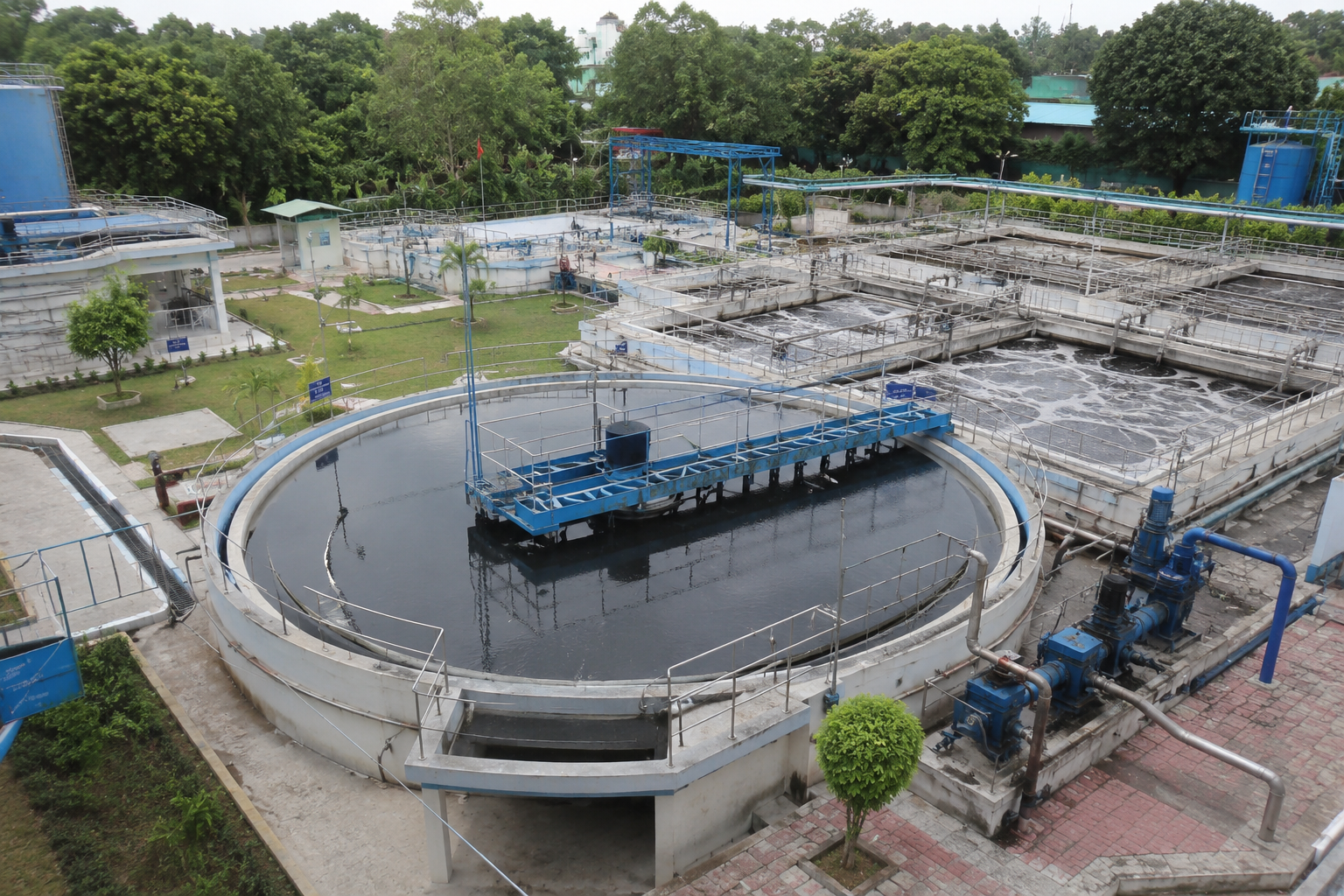
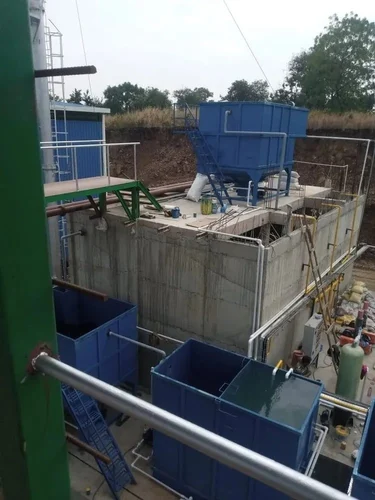
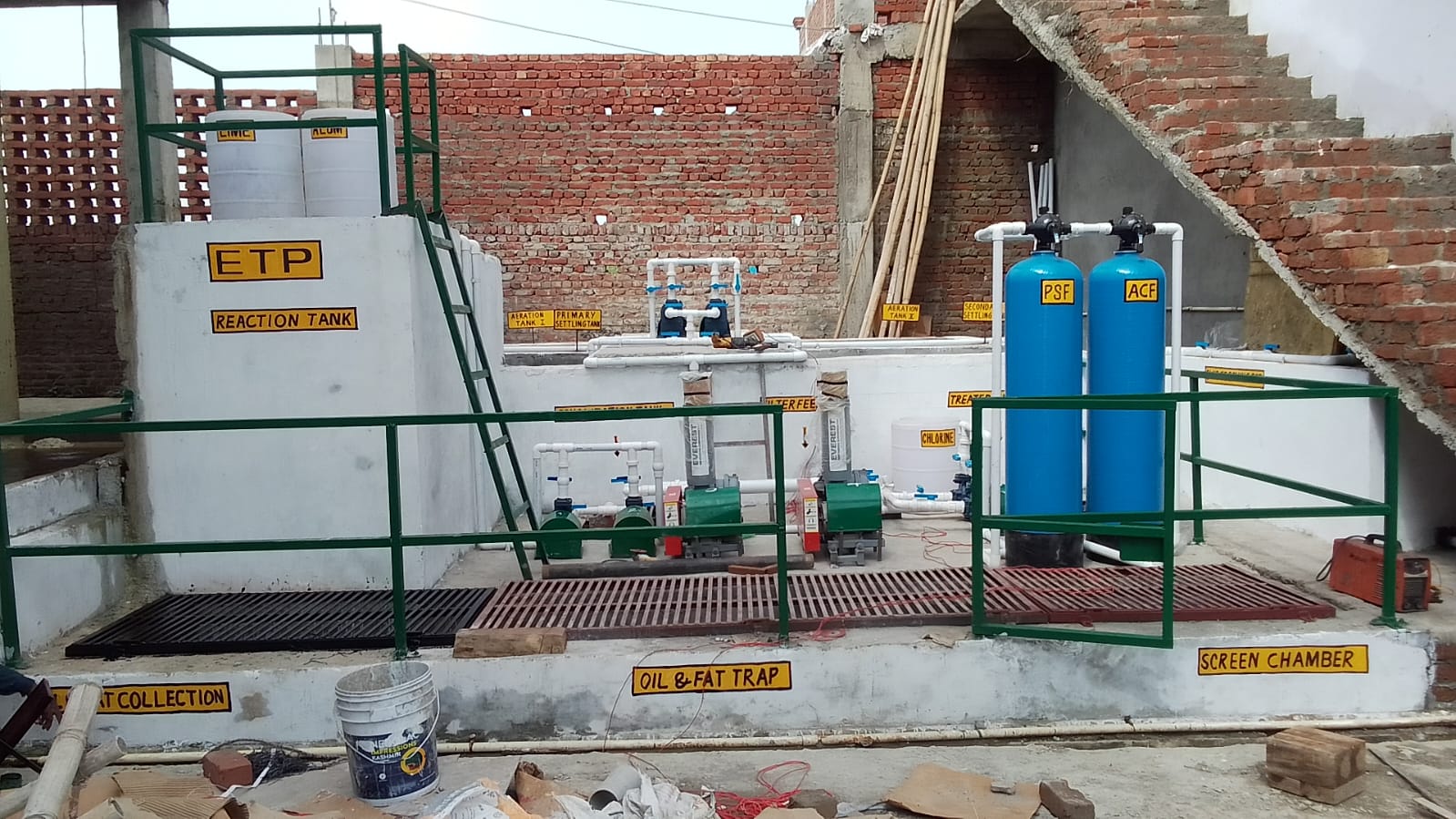
An Effluent Treatment Plant (ETP) is a system used to treat wastewater generated from industrial processes before the treated water is reused or discharged according to applicable standards. What does an ETP remove? Depending on the industry, an ETP can reduce: BOD – Biochemical Oxygen Demand COD – Chemical Oxygen Demand TSS – Total Suspended Solids Oil & grease Colour Chemicals and toxic substances Industry-specific pollutants Basic ETP process Industrial Effluent → Screening → Equalization → pH Adjustment → Coagulation/Flocculation → Primary Clarifier → Biological Treatment → Secondary Clarifier → Filtration → Disinfection → Treated Water Where are ETPs used? ETPs are commonly used in: 🥛 Dairy & milk processing 🧵 Textile industries 💊 Pharmaceutical industries 🍴 Food processing 🧪 Chemical industries 🏭 Engineering/manufacturing units 🧴 Distilleries and other process industries Example: A 100 KLD ETP is designed to treat approximately 100,000 litres of industrial effluent per day.
Interested in a similar setup?
Connect with our environmental specialists to design an energy-efficient, fully compliant installation tailored to your factory capacity.
Request Project Proposal